A Procurement Calendar for Furniture Webbing in Southeast Asia: Ordering Around Monsoon, Holiday Shutdowns and Peak Season
- Share
- publisher
- WebbingStyle
- Issue Time
- Nov 25,2026
Summary
A procurement calendar for furniture webbing in Southeast Asia: the three clocks buyers must watch, how Tet, Chinese New Year and Idul Fitri stack, back-planning from the launch date, safety stock logic and capacity scheduling.
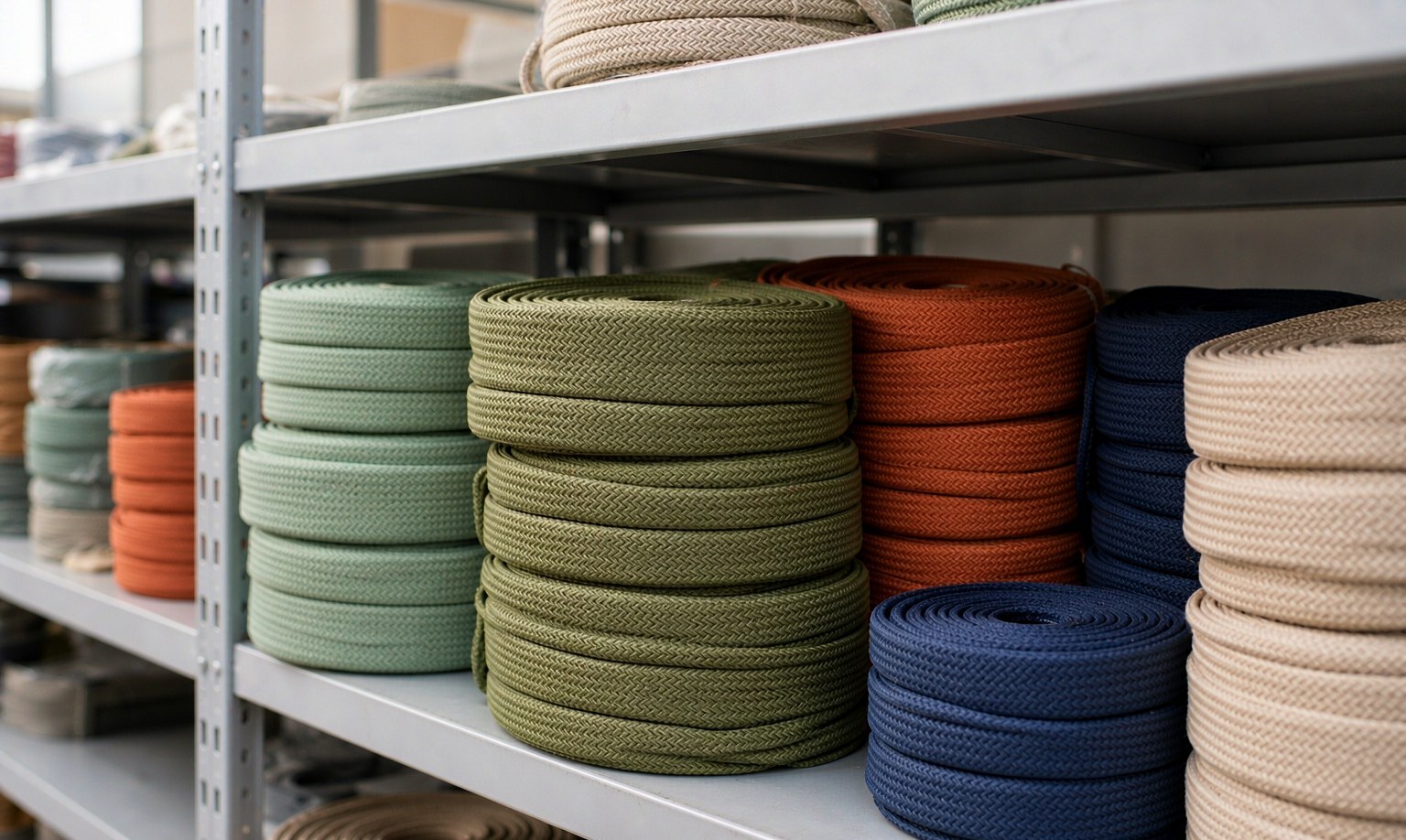
Searches like when to order furniture materials before Chinese New Year, furniture production calendar Southeast Asia and webbing lead time before rainy season all come from the same place: a buyer who knows what to order and now has to decide when. A stated lead time answers only part of that question. This guide gives the calendar logic behind the order date, so material is on site before the market opens and before the factories go quiet.
The aim is not to predict the exact closure dates. It is to build a ordering habit that stays correct when the dates move from year to year.
In Southeast Asian furniture sourcing, the calendar risk is not the supplier's stated lead time - it is the two weeks of near-silence around Tet and Chinese New Year on both sides of the chain.
Three Clocks Running at Once
Most ordering mistakes come from watching one clock. A webbing order sits inside three schedules at the same time, and they do not keep the same time. A procurement calendar has to show all three on one page.
| Clock | What it controls | Why it moves |
|---|---|---|
| Retail and installation rhythm | When the furniture has to be on the floor, in the showroom or installed on site | Driven by the buyer's market - often ahead of the monsoon or the year-end season |
| Factory shutdown windows | When production on both sides of the chain slows or stops | Tet in Vietnam, Chinese New Year in China, Idul Fitri in Indonesia, each with its own calendar |
| Shipping peak | When space is tight and freight is least predictable | Build-up before the holiday closures, when everyone tries to move goods in the same weeks |
The retail clock tells you when the furniture must be finished. The shutdown clock tells you when neither side can move. The shipping clock tells you when moving is expensive and slow. The safe ordering point is where those three leave enough room between them.
Tet, Chinese New Year and Idul Fitri
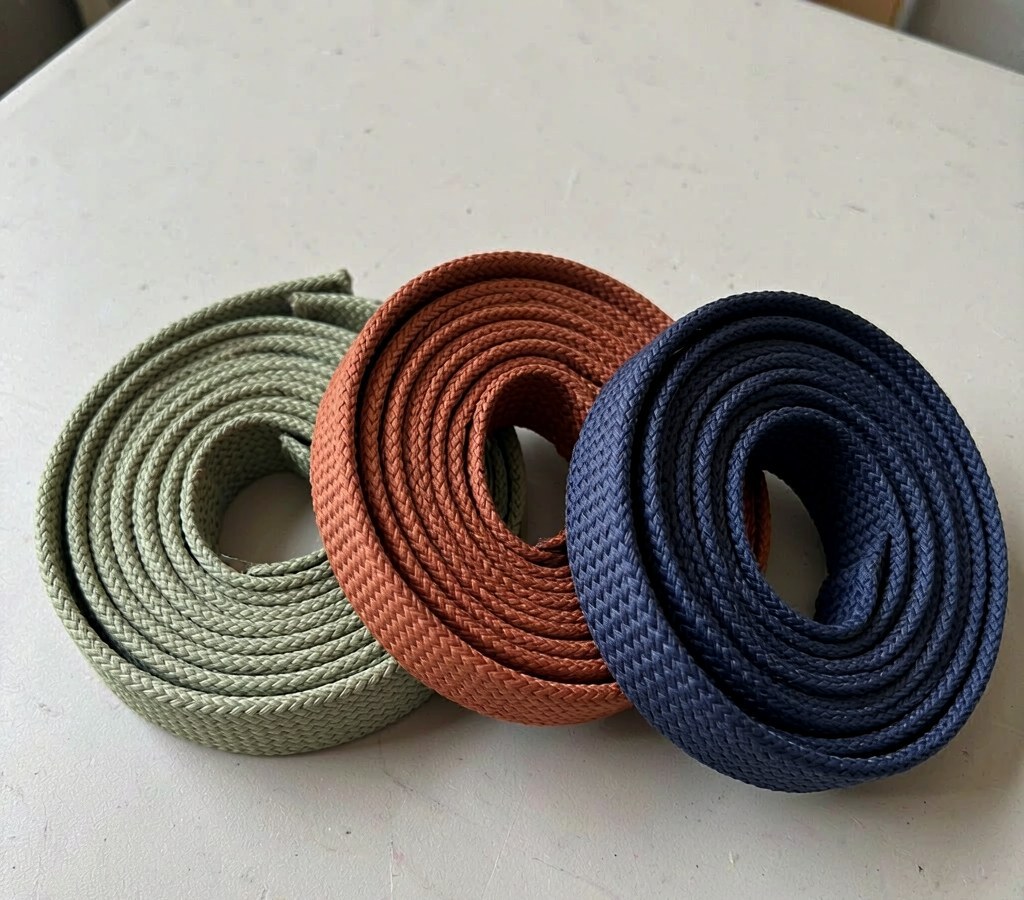
Southeast Asia has more than one new year, and the material chain touches several of them. Tet and Chinese New Year follow the lunar calendar and often arrive close together; Idul Fitri follows the Islamic calendar and drifts earlier year by year. For a buyer sourcing across Vietnam, China and Indonesia, the shutdowns can stack, overlap or fall in different quarters.
| Holiday | Calendar behaviour | What it does to an order |
|---|---|---|
| Tet (Vietnam) | Follows the lunar calendar; the quiet window sits around the turn of the lunar year | Factory teams on both the furniture and material side step away at the same time |
| Chinese New Year (China) | Also lunar, and usually close to Tet, sometimes overlapping | Raw material, dyeing and weaving all resume on their own staggered schedules |
| Idul Fitri (Indonesia) | Follows the Islamic calendar and shifts earlier each year | A separate shutdown that can land in a different quarter from the lunar new year |
The important detail is that the disruption is wider than the public holiday. Output tapers in the days before a closure and recovers gradually after it, and the restart is rarely in sync across weaving, dyeing, packing and freight. Treat the whole window as reduced capacity, not as a single day off. The exact dates shift each year, so confirm the current window with your supplier rather than working from last year's calendar.
Back-Planning From the Product Launch Date
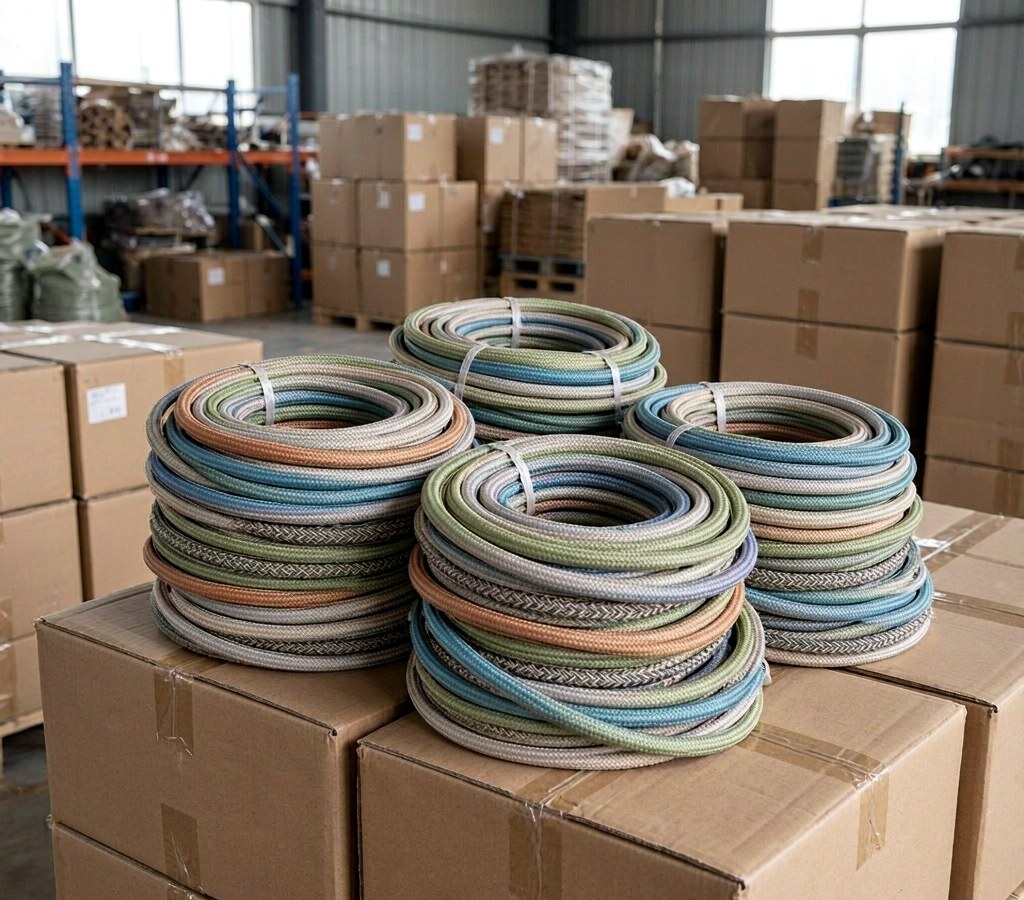
The order date should be calculated backwards from the moment the furniture has to be in the market. Working forwards from a supplier's lead-time sheet tends to leave out the two weeks when nothing moves. Five steps make the calculation repeatable.
| Step | What to do |
|---|---|
| 1. Fix the launch date | Start with the date the finished furniture must be ready for the market - not the date the factory would like to ship. |
| 2. Allow for the last mile | Work backwards through inland delivery, customs clearance and the port handover before the goods reach the buyer. |
| 3. Allow for the crossing | Add realistic ocean transit, then add a buffer for the weeks when space is tight. |
| 4. Allow for production | Place the weaving and colour slots behind that date, with the shutdown window treated as lost capacity. |
| 5. Confirm the sample first | Lock the approved sample and colour before the slot is booked, so the material that goes into production is the material that was qualified. |
Step five is the one buyers most often skip. A production slot booked before the colour is approved is a slot booked on an assumption; if the shade changes at sampling, the schedule has to be rebuilt. Our guide to qualifying a webbing supplier covers the checks that should be finished before the slot is committed.

Safety Stock Logic for Webbing
Not every material is worth storing, but webbing is a good candidate. It is light, compact and stable in a dry store, which makes a reserve relatively inexpensive compared with the cost of a delayed launch.
| Point | Why it matters |
|---|---|
| Webbing is light | Coiled rolls take little weight and little space compared with frames, foam or filled cushions, so carrying reserve stock is cheap. |
| Webbing keeps | Stored dry and out of direct sun, outdoor webbing holds its specification far better than many assembled components. |
| Colour is the real variable | The risk is not that the stock expires, it is that a later lot shifts in shade - so reserve stock is most valuable on the core colours you reorder repeatedly. |
| Reserve is insurance, not a strategy | Safety stock covers the shutdown gap and the odd delayed lot; it does not replace an agreed schedule with the supplier. |
The practical form of safety stock is not a random extra roll. It is a deliberate reserve on the colours and constructions that repeat across your range, held against the shutdown window and the sample-approval gap. If you are still deciding which specification to hold, our comparison of webbing materials for tropical climates narrows the choice by application.
How WebbingStyle Schedules Capacity Around Peak Orders
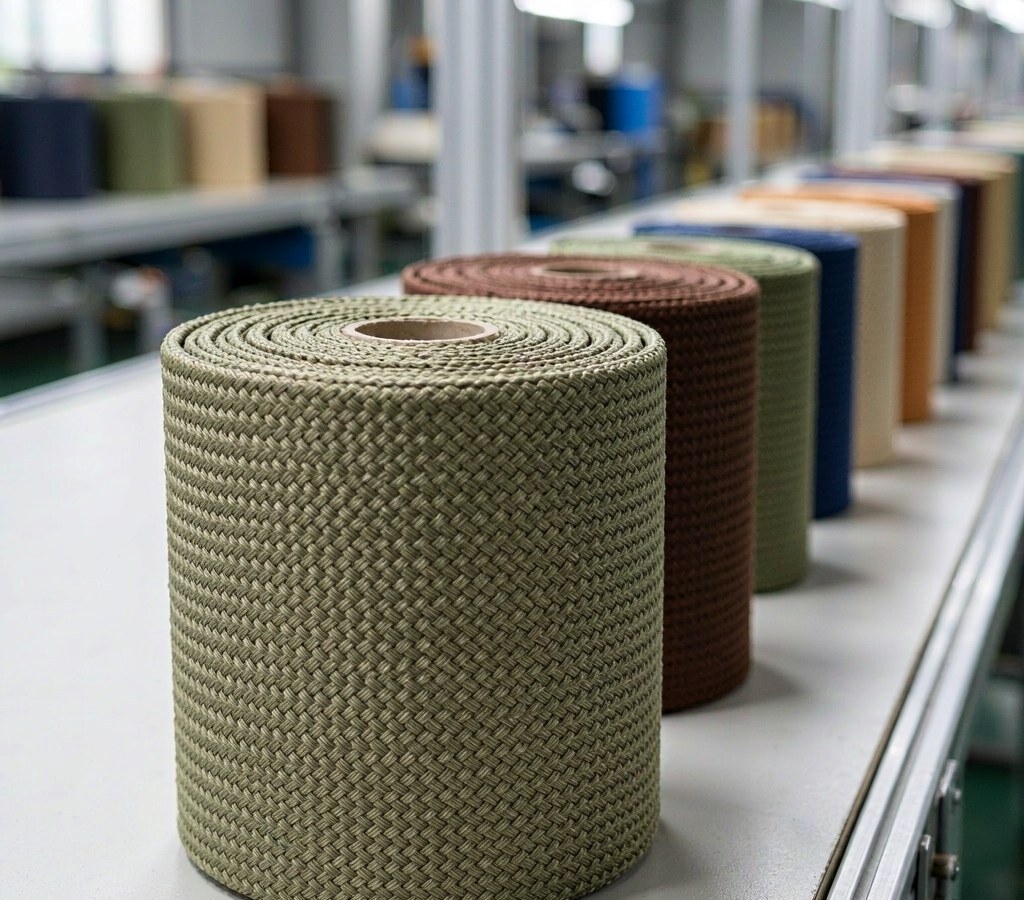
WebbingStyle plans production around the buyer's launch date rather than around our own convenience. Once the specification and colour are approved, the order is placed into a colour and weaving slot, and the plan accounts for the fact that output tapers around the regional holidays. Buyers are told which window their material falls in, so their own factory schedule can be built on the same calendar.
We also keep reserve stock on core colours so a short gap around a shutdown does not automatically become a stopped line. For project work, the specification on the drawing is the starting point - the schedule follows the spec, not the other way round. Exact slot timing, reserve levels and quantities are confirmed with our sales team against the current production calendar.
For procurement teams building next season's plan, the useful starting point is the launch date and the list of recurring colours. We will work the order calendar back from there.
Where This Guide Stops
This guide gives a planning method, not fixed dates. Holiday closures move with the lunar and Islamic calendars, freight conditions change week by week, and each factory restarts at its own pace. Confirm the current shutdown window, the transit condition and the production slot with your supplier each season. What stays constant is the order of operations: fix the launch date, count backwards through freight and production, treat the shutdown window as reduced capacity, and hold reserve on the colours you repeat.
About WebbingStyle
WebbingStyle is a furniture rope webbing manufacturer with over 20 years of industry experience, operating a 12,000 m2 garden-style factory with 70+ production machines and supplying partners in more than 40 countries. The company offers OEM/ODM customisation across acrylic, Textilene, solution-dyed polyester and rubber-plastic core webbing series.
Contact us for samples and a quote
First published: November 2026. Planning guide reviewed annually.