How to Qualify a Furniture Rope Webbing Supplier: A 9-Point Checklist for Furniture Factories in Southeast Asia
- Share
- publisher
- WebbingStyle
- Issue Time
- Nov 9,2026
Summary
A 9-point supplier qualification checklist for furniture factories and designers in Southeast Asia buying rope and flat webbing: factory versus trading company, yarn sourcing, colour fastness data, sampling policy, OEM/ODM capability, capacity, export experience, response speed and after-sales terms, plus red flags and a video-audit guide.
Furniture factories in Vietnam, Indonesia, Malaysia, Thailand and the Philippines rarely lose money because they picked the wrong webbing specification. They lose money because they picked the wrong supplier: a reseller instead of a weaver, a five-year-old certificate instead of a current dye-lot report, a photographed swatch instead of a pre-production sample. This guide gives procurement teams, product developers and designers a 9-point checklist for qualifying a furniture rope webbing supplier before the first purchase order is signed.
If you have been searching for how to choose a furniture webbing supplier, how to run a rope webbing manufacturer factory audit, or how to verify webbing factory quality before ordering, the nine points below are written to be copied straight into your sourcing file. Each point lists what to ask and what a credible answer sounds like.
A webbing supplier that cannot show colour fastness data for its own dye lot is probably reselling someone else’s yarn. Ask for the dye-lot test report before you discuss price.
Why Supplier Choice Matters More Than Product Spec
A specification sheet can be copied in an afternoon; the production system behind it cannot. Two suppliers can offer the same nominal width, the same denier, the same quoted colour, and still deliver webbing that behaves differently after one season outdoors. The difference lives in yarn grade, masterbatch quality, core consistency and process control, and none of it is visible in a product photo.
Southeast Asia raises the stakes. Monsoon humidity, equatorial UV and, increasingly, hospitality projects with hotel-grade inspection standards mean a seating component is judged harder here than in most other markets. When a resort terrace chair fails in its first rainy season, the conversation is not about the catalogue page; it is about which dye lot and which core went into that batch.
The 9-Point Checklist
Work through the points in order. The first three decide whether the supplier can be trusted at all; the remaining six decide how smoothly the cooperation will run.
1. Factory or Trading Company
Ask: does this supplier weave the webbing itself, or buy it from someone else?
Verify the business scope on the licence, compare the plant address with the registered address, and ask whether a visit can be arranged on short notice.
A trading company is not automatically a bad partner, but for a seating component that carries guests day after day, direct factory accountability shortens the chain when something goes wrong.
2. Yarn Source and Solution-Dyeing Capacity
Ask where the filament yarn comes from and whether colour is added at the masterbatch stage (solution-dyed) or dyed onto finished fabric (piece-dyed).
Solution-dyed polyester holds colour through the fibre, which matters enormously under equatorial UV.
If a supplier cannot describe its own dye-lot system in one sentence, it probably does not run one.
3. Colour Fastness Data
Ask for light-fastness and rubbing-fastness results from a recent dye lot, not a certificate from five years ago.
A credible report is tied to a dye-lot number that matches the batch you will actually receive.
Values vary by yarn grade and colour, so treat the report as evidence of a testing habit, not a universal promise.
4. Sampling Policy
A workable sampling path runs colour sample, then bulk-quality sample, then pre-production confirmation.
Ask what is free, what is charged, and how many revision rounds are included. Exact fees, MOQ and revision terms vary by series, so confirm current figures with the supplier's sales team before you plan.
Do not approve bulk from a photographed swatch; screens shift colour.
5. OEM/ODM Capability
Custom colour starts at the masterbatch, not at the loom. Ask how custom colours are scheduled and what the supplier needs from you: a Pantone reference, a physical standard, or a minimum quantity.
Also ask about custom widths, core types, edge finishes, labels and packing, because those decisions shape the tooling and the price.
6. Capacity and Equipment
Count the looms and ask about shift patterns. What matters for you is whether peak-season bookings are a normal, scheduled event or a source of surprises.
For hotel and resort project lines, ask specifically how repeat orders are kept consistent across seasons.
7. Export Experience
Ask which markets the supplier ships to today, and check documentation discipline: packing lists, labels, and Incoterms fluency.
Factories that export routinely tend to run tighter QC, because their customers inspect shipments closely.
8. Response Speed
Notice who answers technical questions: someone who understands weaving, or someone who only relays prices.
A supplier working in GMT+8 overlaps the full working day of most Southeast Asian factories, which usually means same-day answers instead of a 24-hour wait.
9. After-Sales Terms
Agree in writing what happens if bulk differs from the approved sample: replacement policy, dye-lot traceability and the claims window.
Write these clauses into the supply agreement before the first purchase order, when both sides still negotiate in good faith.
Red Flags: What a Quote That Hides the Yarn Is Telling You
Most problems announce themselves early, in writing. Watch for these five signals:
- The quotation shows width and colour but no yarn grade or dyeing method.
- Colour fastness is guaranteed verbally, but no dye-lot report can be produced.
- The sample is excellent, yet nobody records which dye lot it came from.
- The supplier hesitates to show the weaving area on a live video call.
- The price sits far below comparable quotes with no explanation of what was removed.
None of these signals alone proves a supplier is weak. Three of them together, however, usually mean the quotation you received describes a different product than the one you think you are buying.
Remote Verification: What to Look For on a Video Factory Tour
When travel is not practical, a structured video call can still filter out most intermediaries. The sequence matters: it should move from raw material to finished goods without cuts.
- Ask for a live walkthrough, not a recorded tour
Yarn warehouse, dye and masterbatch area, weaving floor, QC table, in one continuous call. - Ask the host to show a dye-lot label on current production
If labels exist, this takes ten seconds; if they do not, that silence is the answer. - Watch whether they walk into the weaving area without hesitation
A real factory shows its floor; an intermediary redirects the camera. - Count machines on camera and compare with what sales claims
A large gap between the claimed number and the visible number deserves a direct question. - Finish at the packing area
Export cartons, labels and packing discipline tell you how your shipment will actually be treated.
How WebbingStyle Answers Each Point
The same nine questions, answered the way we answer them with buyers during first-contact negotiations:
| Checklist point | What you can expect from WebbingStyle |
|---|---|
| Factory or trading company | We weave in our own factory in Pinghu, Zhejiang. Plant visits and live video audits are welcome. |
| Yarn source and dyeing | Solution-dyed polyester production lines; colour is set at the masterbatch stage and controlled by dye lot. |
| Colour fastness data | Dye-lot test data available on request; actual values vary by yarn grade and colour. |
| Sampling policy | Colour sample, bulk-quality sample, pre-production confirmation. Current fees and MOQ are confirmed case by case by our sales team. |
| OEM/ODM capability | Custom colours, widths, cores, edge finishes, labels and packaging across rope and flat webbing series. |
| Capacity and equipment | 70+ production machines in a 12,000 m2 garden-style plant, with a new factory under construction on the same site. |
| Export experience | Supplying furniture webbing partners in more than 40 countries. |
| Response speed | Sales and technical staff working in GMT+8, overlapping the full working day of Southeast Asian factories. |
| After-sales terms | Dye-lot traceability and written replacement terms agreed before the first purchase order. |
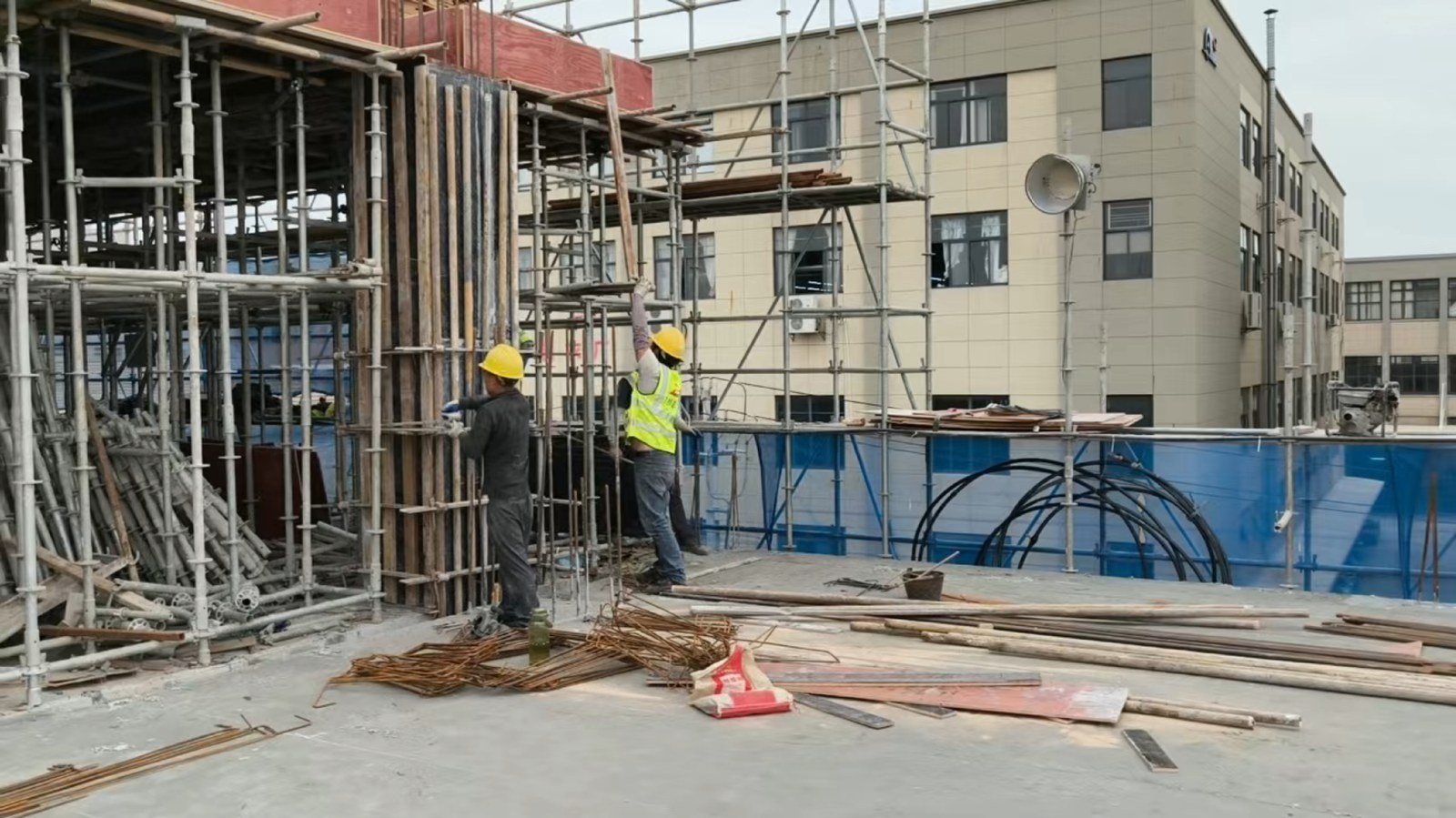
Our new plant is being built on the same site as the current production lines; the construction diary is public in our factory construction update. If you want to see the finished output of these lines first, browse the rope-woven carpet series before you shortlist suppliers.
Where This Checklist Stops Being Enough
A checklist structures your questions; it cannot replace the supplier’s current quotation. Exact MOQ, sampling fees, revision rounds and lead times vary by series, colour and season, so confirm every number with the sales team before locking a production plan. Test values likewise depend on yarn grade and colour: ask for the report that matches your dye lot, not the best number the supplier has ever printed.
About WebbingStyle
WebbingStyle is a furniture rope webbing manufacturer with over 20 years of industry experience, operating a 12,000 m2 garden-style factory with 70+ production machines and supplying partners in more than 40 countries. The company offers OEM/ODM customisation across acrylic, Textilene, solution-dyed polyester and rubber-plastic core webbing series.
Contact us for samples and a quote
First published: November 2026. Checklist reviewed annually.