Rope Woven Carpet Series: A Complete Guide to Materials and Outdoor Applications
- Share
- Issue Time
- Jul 11,2026
Summary
Explore the complete guide to rope woven carpet series — from materials and weaving techniques to design patterns, outdoor applications, and maintenance tips. Learn how to choose, care for, and style your rope carpets for lasting beauty.
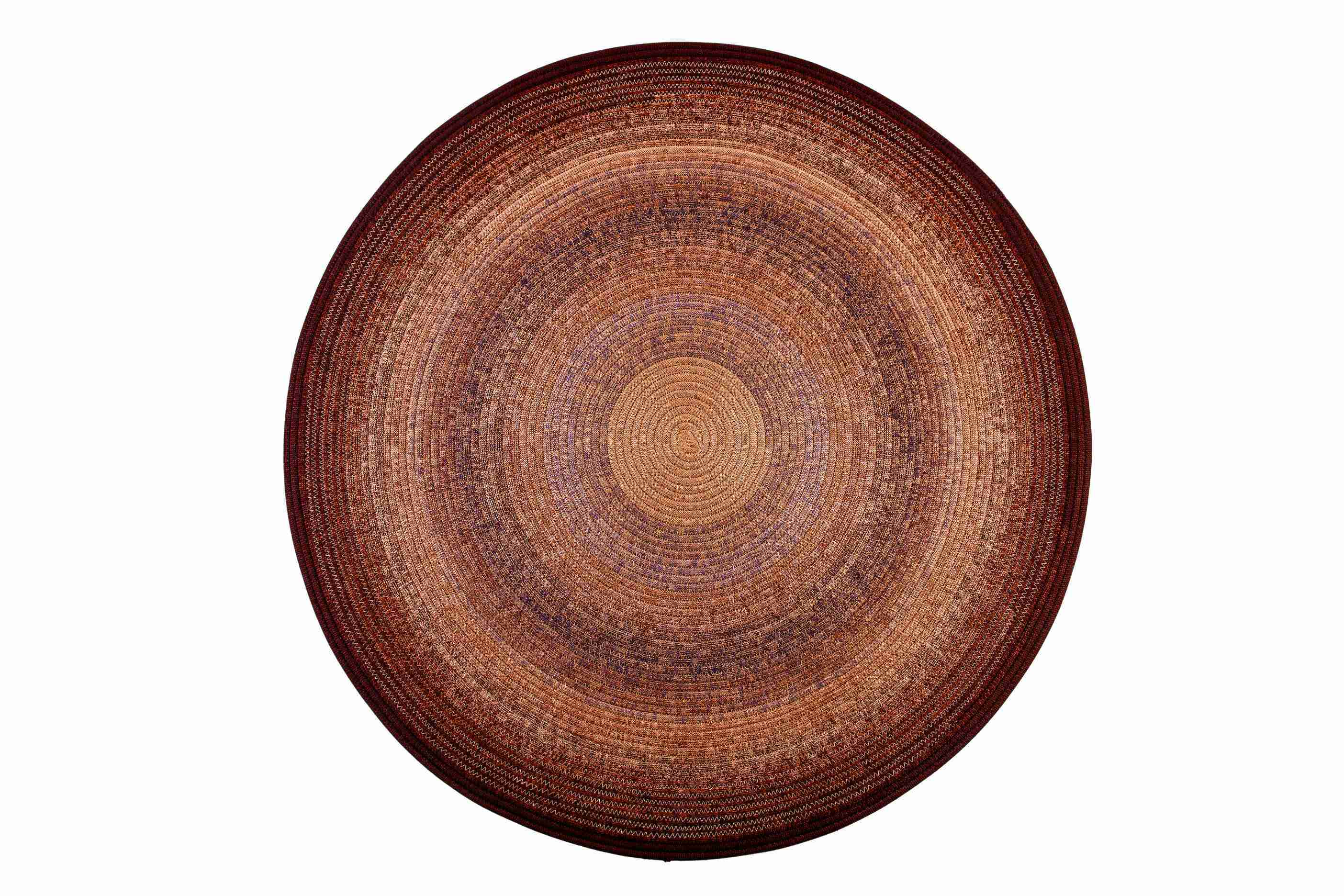
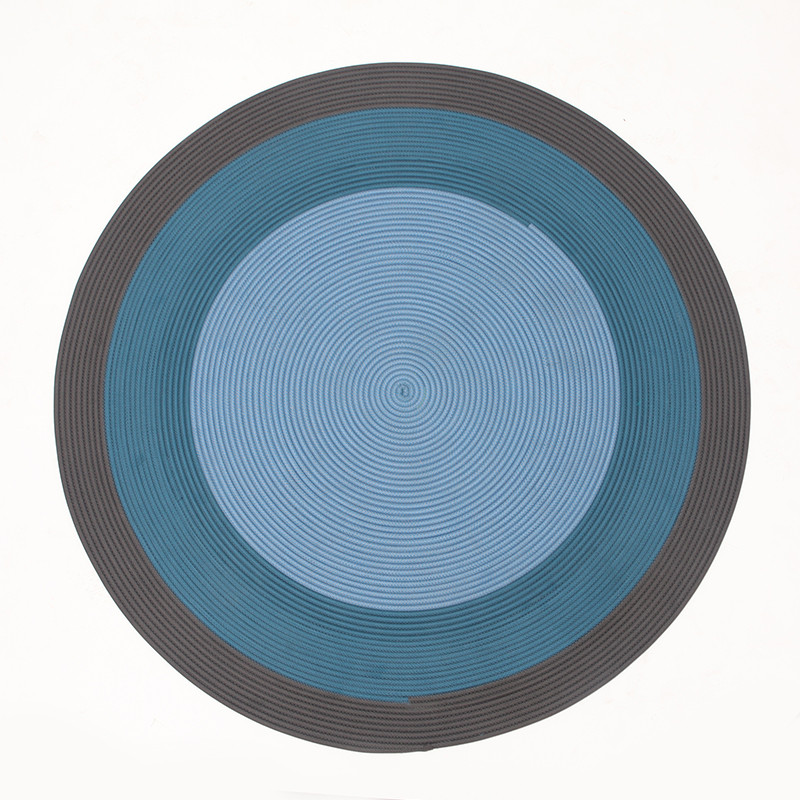
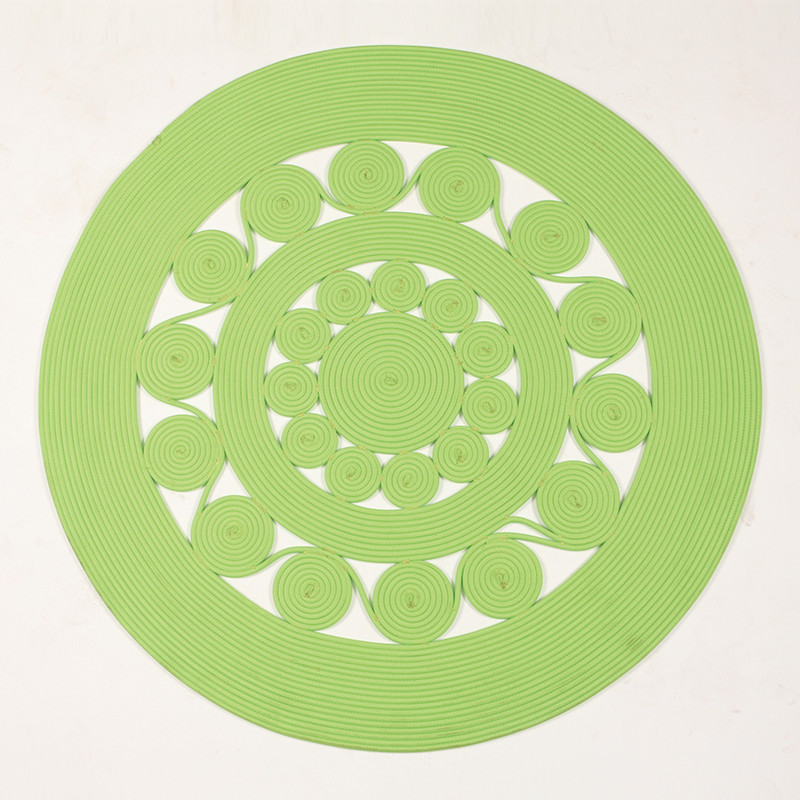
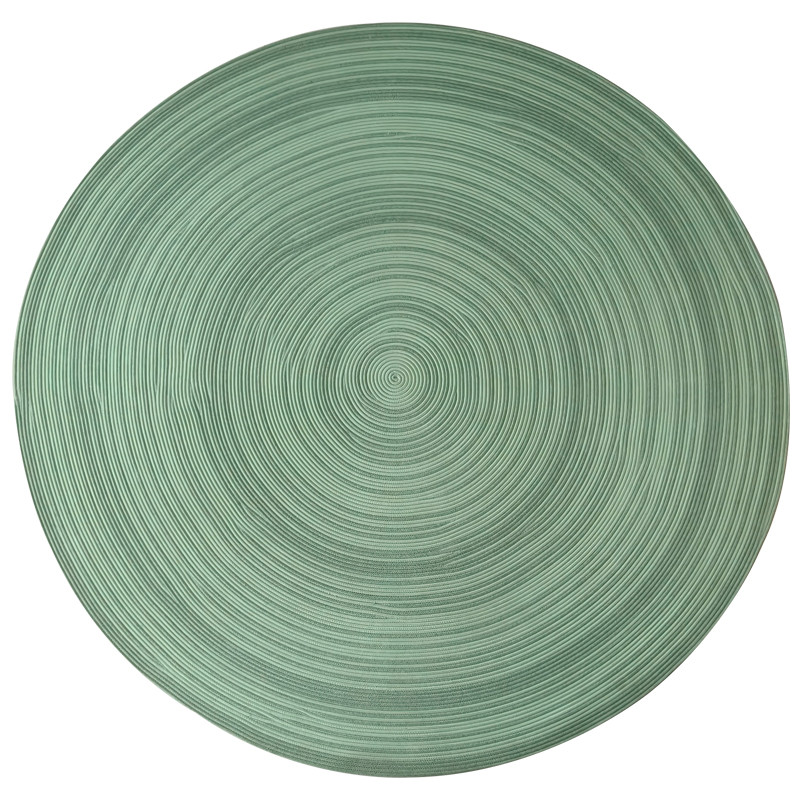
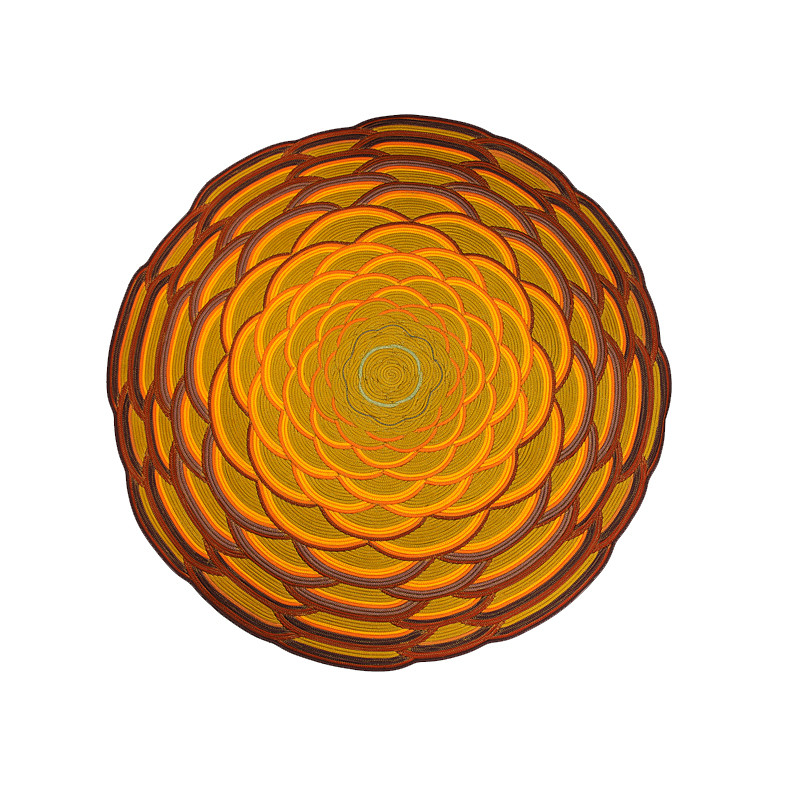
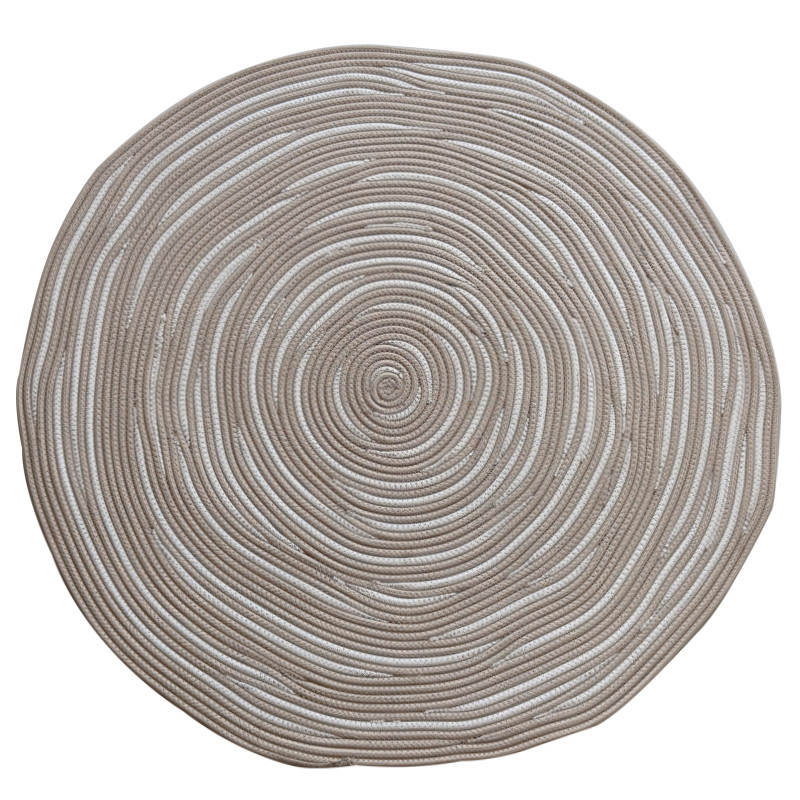
Rope woven carpets represent a perfect fusion of traditional craftsmanship and modern material science. As outdoor living spaces gain increasing importance in our daily lives, the demand for durable, aesthetically pleasing, and functional floor coverings has never been higher. This comprehensive guide explores everything you need to know about rope woven carpet series — from the materials and weaving techniques that define them to the practical considerations that will help you make the perfect choice for your space. Whether you are furnishing a cozy balcony, a sprawling patio, a poolside retreat, or a commercial outdoor venue, understanding the nuances of rope carpet construction, material properties, and design options will ensure your investment delivers lasting beauty and performance. Rope woven carpets are floor coverings crafted by interlacing synthetic or natural rope materials — typically polyester, polypropylene (olefin), or recycled PET fibers — into durable, textured surfaces. Unlike traditional machine-tufted carpets, rope woven carpets are constructed using weaving techniques that create distinct patterns, openwork designs, and three-dimensional textures. The weaving process involves interlacing multiple strands of rope around a structural core or frame, resulting in a carpet that is not only visually striking but also exceptionally durable. The open weave structure allows for natural drainage and airflow, making these carpets ideal for outdoor environments where moisture resistance is critical. Key Insight: The openwork design of rope woven carpets is not merely decorative — it serves a functional purpose by allowing rainwater to pass through, preventing pooling and accelerating drying times. The tradition of weaving ropes into functional textiles dates back centuries. Ancient civilizations in North Africa, the Middle East, and Asia developed techniques for transforming natural fibers — jute, sisal, hemp, and coir — into floor coverings that provided insulation, comfort, and aesthetic appeal. Modern rope carpet weaving draws inspiration from these traditional methods while incorporating advanced synthetic materials that enhance durability, weather resistance, and design versatility. Artisans combine hand-weaving techniques with precision machinery to create carpets that honor heritage craftsmanship while meeting contemporary performance standards. Did You Know? Rope weaving techniques used in carpet making share their heritage with maritime rope work, basketry, and traditional textile arts — each region developing distinctive patterns and methods passed down through generations. The performance and appearance of a rope woven carpet depend significantly on the materials used in its construction. Understanding the properties of each material type is essential for selecting the right carpet for your specific needs. Polyester is one of the most popular materials for rope woven carpets due to its excellent balance of durability, softness, and color retention. UV-stabilized polyester fibers resist fading even under prolonged sun exposure, making them ideal for outdoor applications. Polyester rope carpets offer a soft, comfortable feel underfoot while maintaining high tensile strength and abrasion resistance. Polypropylene is prized for its exceptional moisture resistance and quick-drying properties. Being hydrophobic, polypropylene fibers repel water rather than absorbing it, making these carpets naturally resistant to mold, mildew, and staining. They are an excellent choice for poolside areas, coastal environments, and humid climates. As sustainability becomes increasingly important, recycled PET rope carpets have gained popularity. Manufactured from post-consumer plastic bottles, rPET carpets offer comparable performance to virgin polyester while reducing environmental impact. A typical recycled PET carpet may incorporate the equivalent of hundreds of recycled plastic bottles. Nylon ropes offer superior strength and elasticity, making them suitable for high-traffic commercial applications. Nylon carpets resist crushing and matting, maintaining their appearance even under heavy use. They are also highly resistant to abrasion and can be solution-dyed for exceptional colorfastness. Rope woven carpets are available in an extensive range of patterns and design styles, allowing you to find the perfect match for your aesthetic preferences and spatial requirements. Spiral rope carpets feature concentric circular patterns that create a sense of movement and visual interest. These designs are particularly popular for round carpets and work well as focal points in seating areas or entryways. Two-tone and gradient spiral patterns add depth and dimension to outdoor spaces. Geometric patterns — including diamonds, chevrons, hexagons, and medallions — offer a contemporary aesthetic that complements modern outdoor furniture. Tribal and Moroccan-inspired designs bring cultural richness and artisanal character to patio and garden settings. Openwork rope carpets feature intentionally spaced weaving that creates a lattice-like pattern. This design maximizes drainage and airflow while producing a visually light and airy appearance. Openwork carpets are ideal for poolside areas and rainy climates where rapid drying is essential. For those who prefer understated elegance, solid-color rope carpets in neutral tones — beige, gray, charcoal, sand, and slate — offer versatility and timeless appeal. These carpets blend seamlessly with various decor styles and provide a clean, sophisticated foundation for outdoor spaces. Rope woven carpets offer numerous advantages that make them an exceptional choice for outdoor applications. Understanding these benefits will help you appreciate why they have become a preferred flooring solution for patios, decks, balconies, and commercial outdoor venues. High-quality synthetic ropes are UV-stabilized to resist fading and degradation from prolonged sun exposure, maintaining their color and structural integrity for years. The open weave structure and hydrophobic synthetic fibers allow water to drain through and evaporate quickly, preventing mold, mildew, and water damage. Engineered to withstand rain, wind, heat, and cold, rope woven carpets maintain their performance and appearance across all seasons. Simply rinse with a garden hose, sweep off debris, or spot clean with mild soap and water. No special cleaning equipment or chemicals required. Despite their durability, quality rope carpets offer a pleasantly textured surface that is comfortable for bare feet and adds warmth to outdoor spaces. Many rope carpets are manufactured using recycled materials, supporting sustainable practices while delivering premium performance. Selecting the right rope woven carpet involves considering several factors that influence both aesthetics and performance. Here is a practical guide to help you make an informed decision. Consider the climate conditions your carpet will face. For coastal areas with salt air and high humidity, polypropylene or solution-dyed polyester are excellent choices. For arid, high-UV environments, UV-stabilized polyester offers superior color retention. For covered patios and sheltered areas, a wider range of materials may be suitable. Measure your space carefully before selecting a carpet. Round carpets work well for defining intimate seating areas, while rectangular and square carpets provide structured foundations for dining sets and lounge configurations. Consider allowing 18–24 inches of bare floor around the carpet perimeter for a balanced look. Choose patterns and colors that complement your existing outdoor furniture and decor. Neutral tones offer maximum versatility, while bold patterns can serve as statement pieces. Consider the color palette of your cushions, umbrellas, and planters when making your selection. For high-traffic areas such as entryways, paths, and dining zones, choose tightly woven carpets with high abrasion resistance. For low-traffic decorative areas, more intricate openwork designs can be used without concern for accelerated wear. Proper maintenance will significantly extend the life of your rope woven carpet and keep it looking beautiful season after season. Follow these care guidelines for optimal results. Remove loose dirt and debris by shaking the carpet or sweeping with a soft-bristled broom. For deeper cleaning, rinse with a garden hose and use mild soapy water with a soft brush or cloth. Rinse thoroughly to remove all soap residue and allow the carpet to air dry completely in a shaded area. Address spills immediately by blotting with a clean, absorbent cloth — do not rub, as this can push the stain deeper into the fibers. For stubborn stains, a diluted solution of mild detergent and water can be applied gently. Avoid using bleach, harsh chemicals, or pressure washers that may damage the rope fibers. During extended periods of non-use or harsh weather, store your rope carpet in a dry, ventilated area or use a breathable cover if it must remain outdoors. At the beginning and end of each season, perform a thorough cleaning and inspection to identify any areas requiring attention. Use furniture pads under heavy pieces to prevent indentations. Rotate the carpet periodically to ensure even wear. In areas with heavy rainfall, ensure the carpet is placed on a surface with adequate drainage to prevent prolonged water exposure to the underside. Important: Never use pressure washers, steam cleaners, or abrasive brushes on rope woven carpets. Always allow the carpet to dry completely before placing furniture back on it to prevent mold growth on the underside. When choosing between rope woven carpets and traditional outdoor rugs, understanding the key differences will help you select the best option for your specific application. One of the greatest advantages of rope woven carpets is their versatility in customization. Whether for residential or commercial applications, these carpets can be tailored to meet specific requirements. Rope woven carpets enhance a wide variety of residential spaces: For businesses, rope woven carpets offer durability and aesthetic appeal in high-traffic environments: Leading manufacturers offer extensive customization options including custom sizes, colors, patterns, and branding. Whether you need specific dimensions for an irregularly shaped space or want to incorporate company colors into a commercial installation, customization ensures your rope carpet perfectly matches your vision. Rope woven carpets represent a remarkable fusion of timeless craftsmanship and modern material innovation. Their unique combination of durability, weather resistance, aesthetic versatility, and ease of maintenance makes them an outstanding choice for a wide range of outdoor applications. By understanding the materials, construction techniques, design options, and care requirements covered in this guide, you are well-equipped to select the perfect rope woven carpet for your space. Whether you are creating a cozy residential retreat or outfitting a commercial venue, the right rope carpet will provide years of beauty, comfort, and performance. Explore our complete rope woven carpet collection to find the perfect series for your outdoor space. For custom orders and bulk inquiries, contact our team for personalized assistance.1. What Are Rope Woven Carpets?
2. The History and Art of Rope Carpet Weaving
3. Primary Materials Used in Rope Woven Carpets
Polyester (PET)
Polypropylene (Olefin)
Recycled PET (rPET)
Nylon
Material
UV Resistance
Water Resistance
Softness
Durability
Best For
Polyester (PET)
Excellent
Good
High
High
All climates, versatile use
Polypropylene
Excellent
Excellent
Medium
High
Humid, coastal, poolside areas
Recycled PET
Very Good
Good
High
High
Eco-conscious projects
Nylon
Very Good
Good
Medium-High
Excellent
Commercial, high-traffic areas
4. Popular Patterns and Design Styles
Spiral and Swirl Patterns
Geometric and Tribal Designs
Openwork and Hollow Weave
Solid and Minimalist Styles
5. Key Benefits of Rope Woven Carpets for Outdoor Spaces
UV Resistance
Waterproof & Quick-Drying
Weather Resistant
Easy to Clean
Comfortable Texture
Eco-Friendly Options
6. How to Choose the Perfect Rope Carpet for Your Space
Assess Your Environment
Determine the Right Size and Shape
Match Your Decor Style
Evaluate Traffic Levels
7. Maintenance and Care Guide for Long-Lasting Beauty
Routine Cleaning
Stain Management
Seasonal Care
Preventive Measures
8. Rope Carpets vs Traditional Outdoor Rugs: A Comparison
Feature
Rope Woven Carpets
Traditional Outdoor Rugs
Construction
Interlaced rope strands, open weave
Tufted, woven, or printed on backing
Drainage
Excellent — water passes through
Limited — water may pool on surface
Drying Time
Fast — open structure promotes airflow
Slow — dense construction traps moisture
Texture
Three-dimensional, tactile
Flat or low-pile surface
Durability
Very high — resists fraying and wear
Moderate to high — varies by construction
Mold Resistance
Excellent — breathable design
Variable — depends on backing material
Aesthetic
Artisan, textured, dimensional
Printed patterns, flat surface
Price Range
Mid to premium
Budget to premium
9. Customization Options and Applications
Residential Applications
Commercial Applications
Customization Services
10. Conclusion: Elevate Your Space with Rope Woven Carpets