The Cheapest Quote Is Rarely the Cheapest: Total Cost of Ownership for Furniture Webbing
- Share
- publisher
- WebbingStyle
- Issue Time
- Nov 27,2026
Summary
Why the cheapest furniture webbing quote is rarely the cheapest: the four fields to compare, where low quotes cut cost, the failure costs that follow, a like-for-like comparison table and how to prevent sample-to-bulk drift.
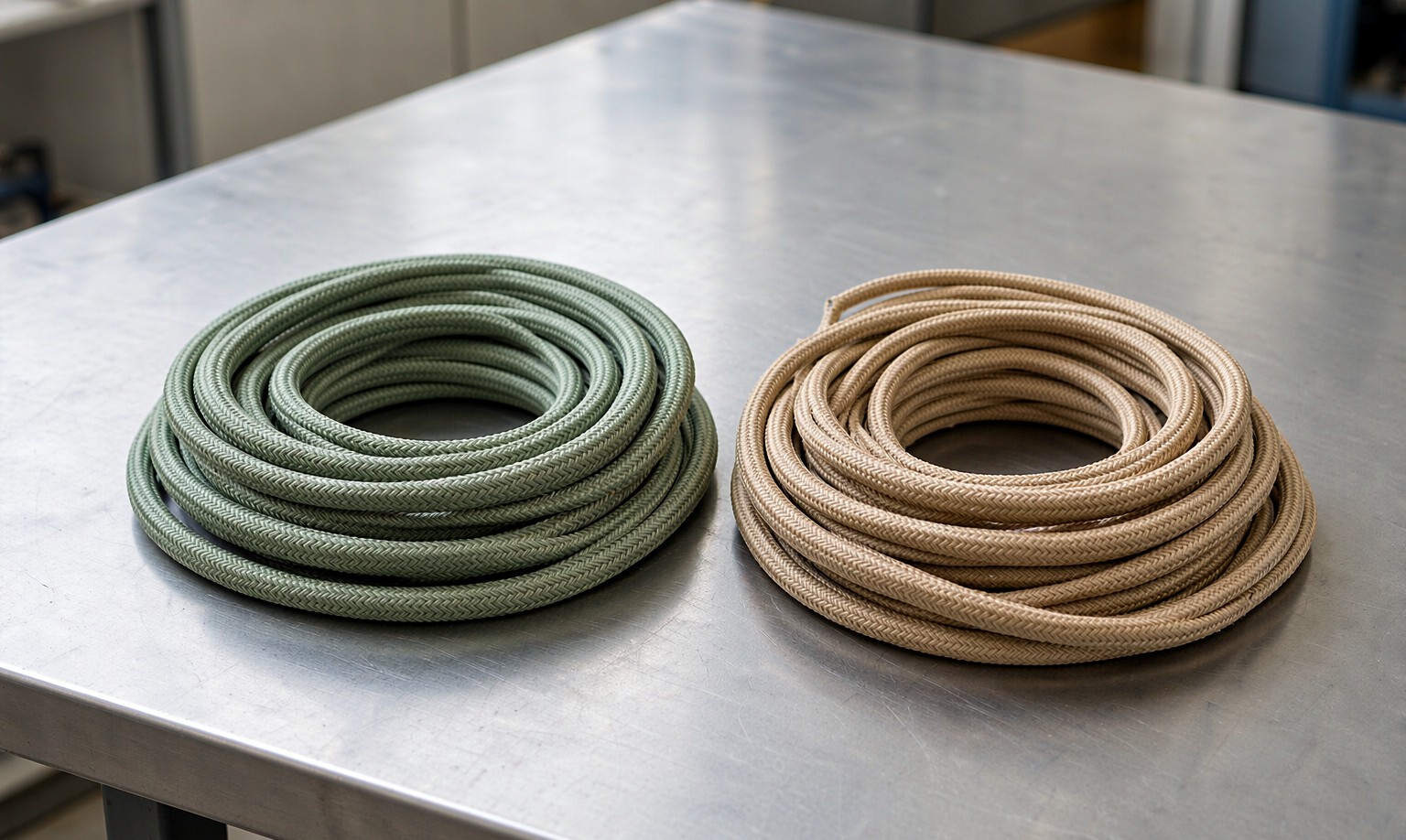
Searches like furniture webbing price comparison guide, why is some webbing much cheaper and hidden costs of cheap furniture webbing come from the same moment: a buyer holding two quotes for what looks like the same material, with a surprising gap between them. This guide answers that gap. It shows what is usually removed to reach a lower number, how to compare two quotes on equal terms, and which costs stay off the cheaper sheet until later.
The point is not that a low price is inherently wrong. It is that a price cannot be compared until the specification behind it is written down.
A webbing quote 15% lower is usually a different product: lower UV stabiliser content, piece-dyed instead of solution-dyed, or a lighter core. Compare spec sheets before you compare prices.
Quote Comparison Dimensions
Two quotes can only be compared when four fields are named on both. If one sheet lists them and the other says standard quality, the lower number is not a discount — it is an unanswered question.
| Dimension | What must be stated | Why the gap appears |
|---|---|---|
| Yarn grade | The filament quality, denier and consistency that go into the braid | A lower grade can look similar in a photo and behave very differently in service |
| Dyeing method | Whether colour is built into the solution or applied to the finished yarn | Piece-dyed colour is cheaper up front and tends to fade and rub off sooner |
| Core construction | The material and diameter of the core inside a cord | A lighter or thinner core lowers the price and reduces shape retention |
| Weight per metre | How much material is actually in a given length | A quoted price per roll means little until the weight per metre is known |
These four fields are the same ones that determine how a material behaves outdoors. Our comparison of webbing materials for tropical climates explains what each choice means in service.
Where Cheap Quotes Cut
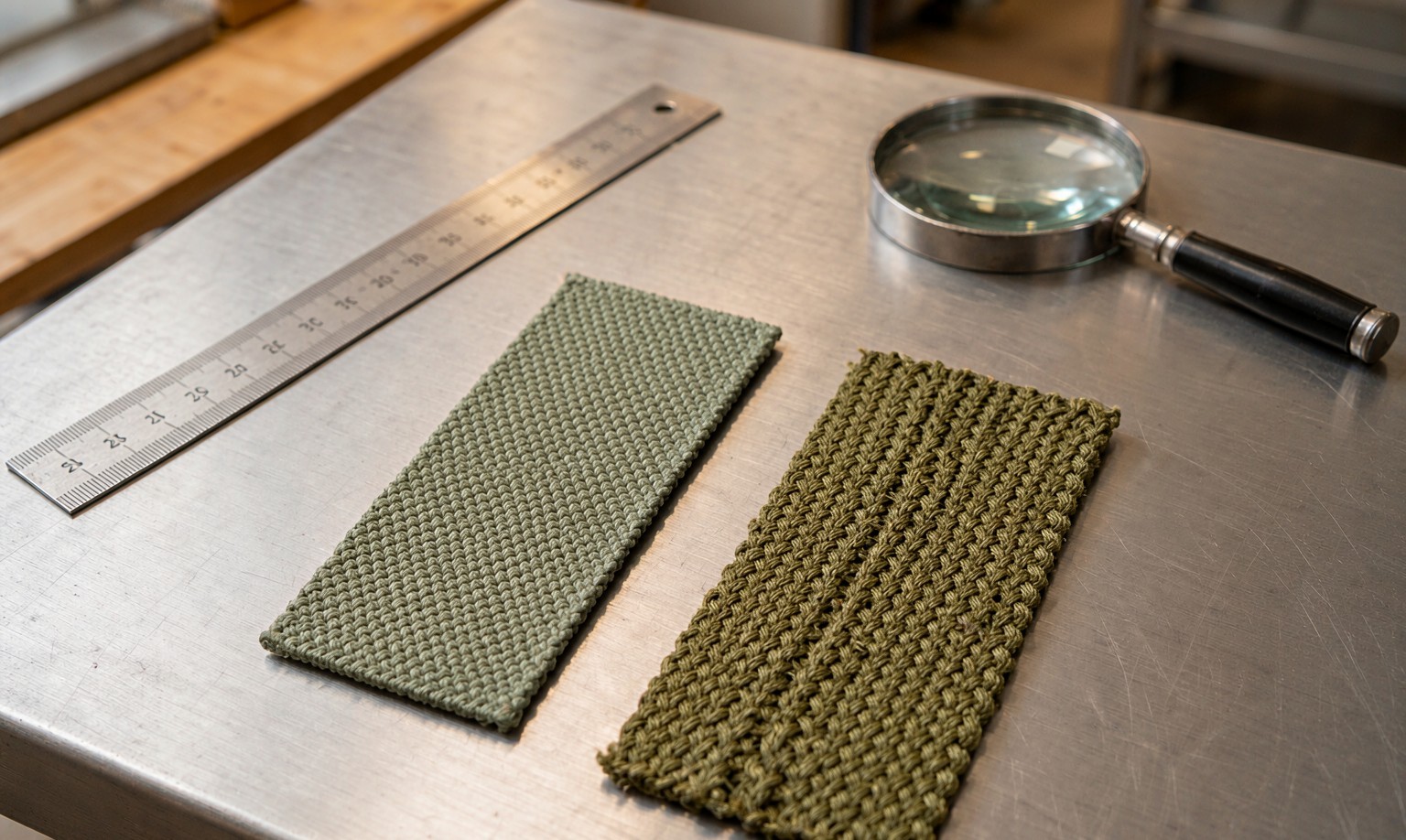
There are only a few places to take cost out of a webbing without changing its appearance on a sample card. Knowing them turns a suspicious price into a set of specific questions.
| Where cost is cut | What it does |
|---|---|
| UV stabiliser content | Less stabiliser lowers the compound cost; the material loses colour and strength earlier under tropical sun |
| Solution-dyed to piece-dyed | Colour applied after spinning is cheaper, but bleeding and fading move into the warranty period |
| Core reduced or removed | A thinner core saves material immediately; the cord loses bounce and holds shape poorly after compression |
| Lighter weight per metre | Fewer grams in the same length looks like the same product until the first season of use |
None of these changes is visible in a photograph, and several are hard to confirm by touch. That is why the quote sheet, not the sample image, is the document to compare. Ask for the four fields above in writing, then ask for the test evidence that supports them.
Failure Costs That Stay Off the Quote
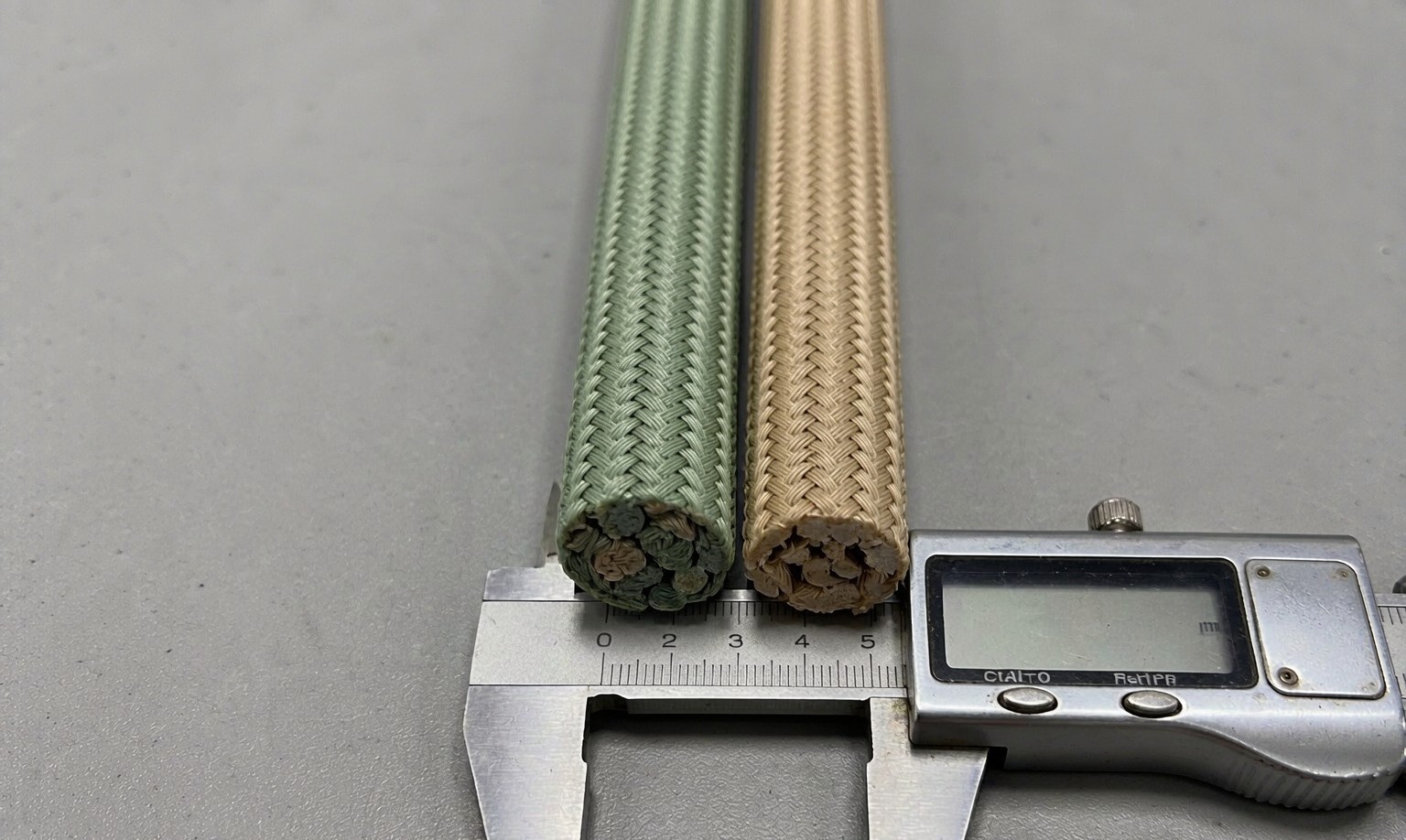
The saving from a cheaper roll is received once. The cost of a failed roll can arrive several times, and it lands in departments the original quote did not touch.
| Cost | Where it shows up |
|---|---|
| Rework on the line | Material that fails inspection stops production and has to be stripped and replaced |
| Warranty and claims | Fading, rub-off or collapsed cord come back as credits, replacements and service time |
| Hospitality reputation | On a hotel or resort project, a visible material failure reaches the brand owner and the project manager |
| Schedule knock-on | Replacing failed material late in a build delays handover and can miss the selling season |
On a hospitality project the arithmetic changes again: one batch of fading webbing can affect an entire room block or an outdoor area, and the conversation moves from material price to client confidence. This is the reason a supplier qualification check matters more than a narrow price comparison at the start.
How to Compare Quotes Like-for-Like
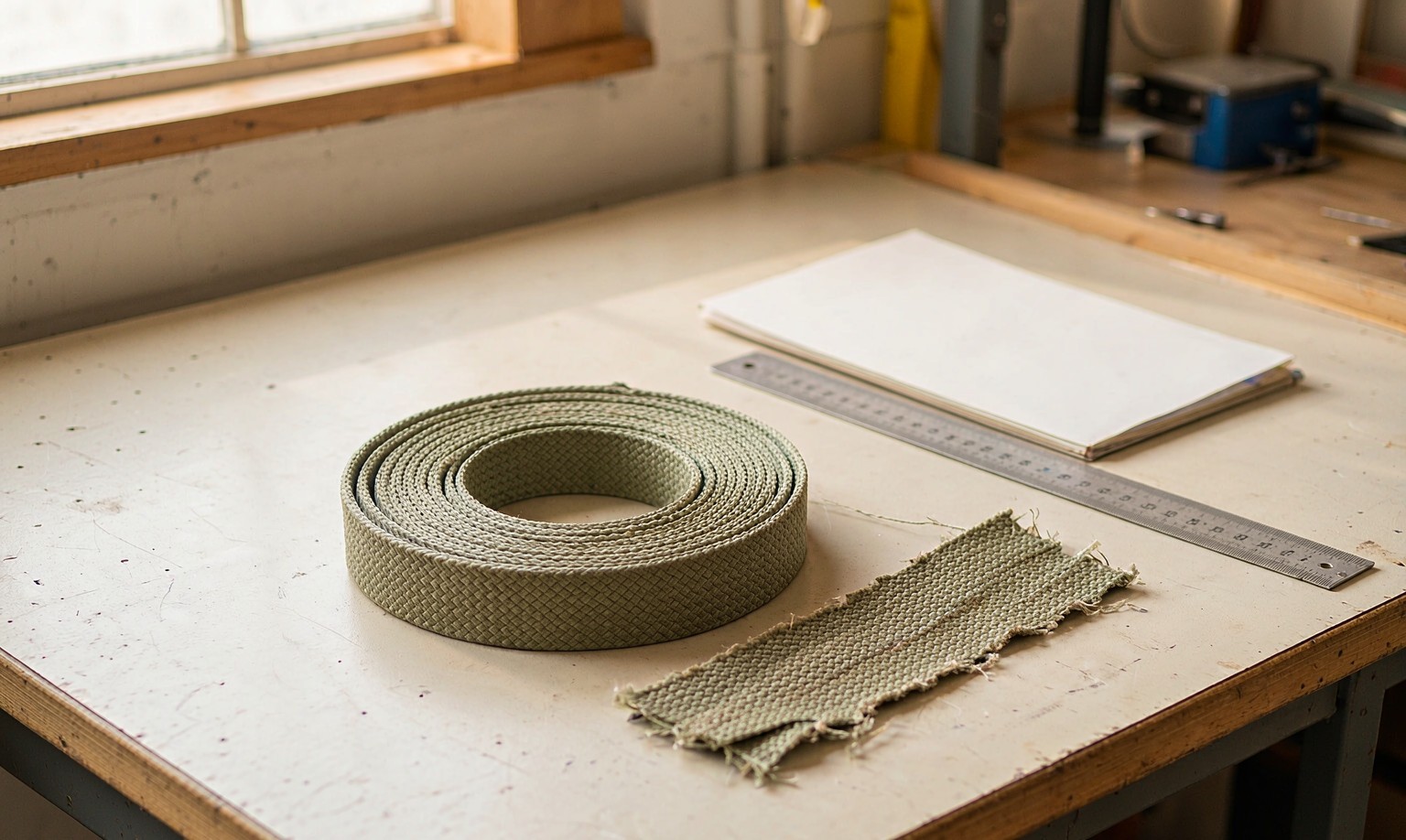
Ask both suppliers to return the same small table. Where a supplier leaves a field blank, treat the blank as the answer. The goal is a comparison of cost per metre at equal specification, not a comparison of two totals built on different products.
| Field | What to demand | How to compare |
|---|---|---|
| Yarn grade and denier | Named, not described as standard quality | Same field named on both quotes |
| Dyeing method | Solution-dyed or piece-dyed stated | Same method on both quotes |
| Core material and diameter | Core type and measured diameter | Same core specification on both quotes |
| Weight per metre | Grams per metre with a stated tolerance | Compared on cost per metre at equal weight |
| Colour lot and approval | Approved sample reference and lot basis | Both quotes tied to the same approved sample |
| Test evidence | Report type and conditions attached | Comparable reports from both suppliers |
Once the two sheets are filled, the price gap usually explains itself. If it does not, the lower quote has an unnamed input, and that is the point to resolve before an order is placed. Our guide to qualifying a webbing supplier covers the factory-level checks that sit behind these fields.
Timing belongs in the same comparison. A cheaper quote that slips into a shutdown window is not cheap once the launch date moves; the procurement calendar guide shows how to price that risk.
Sample-to-Bulk Drift
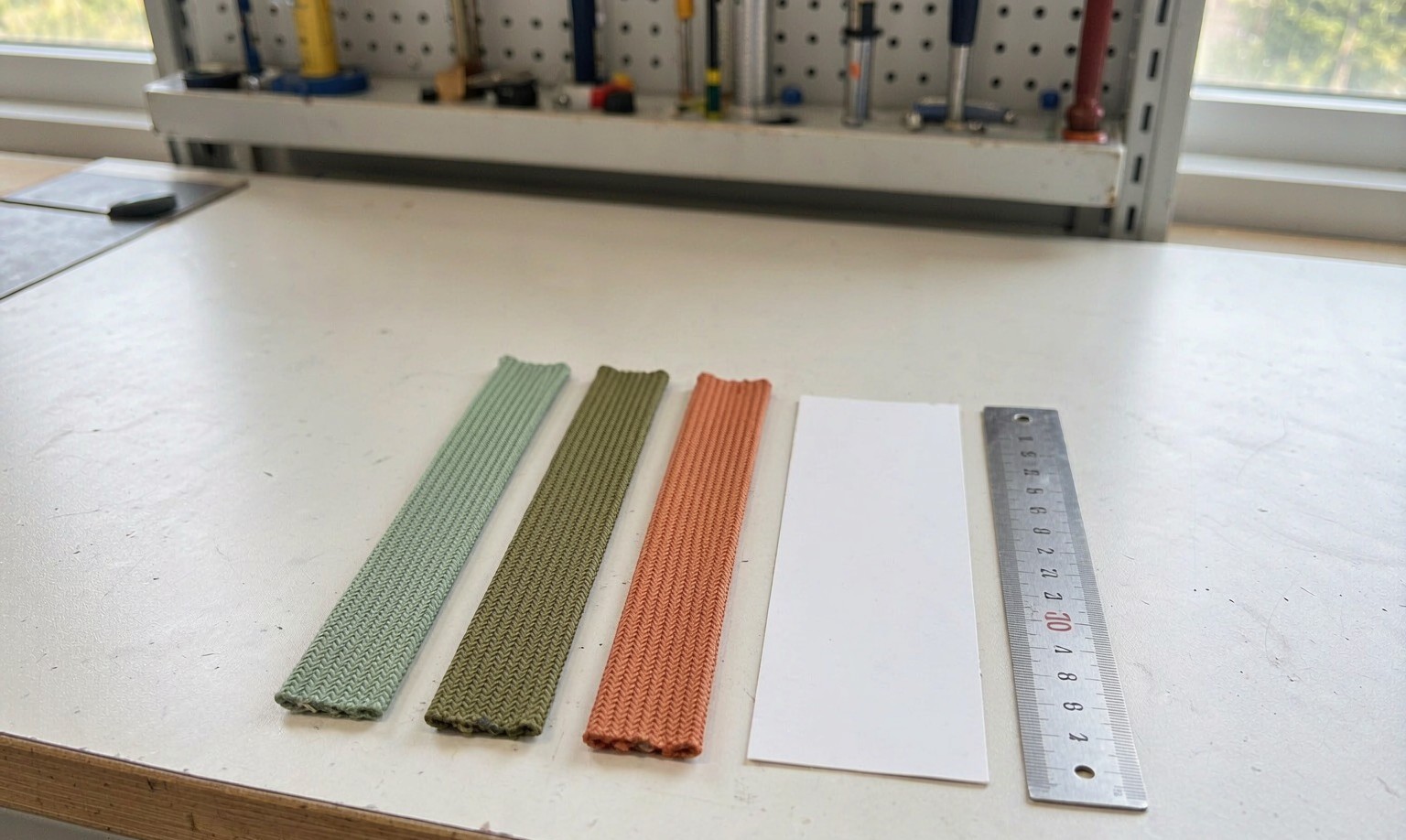
A further trap appears after the order is placed. The approved sample can be excellent while the bulk shipment drifts, because the sample and the production run are not governed by the same controls in every case.
| Where drift starts | What happens |
|---|---|
| Different yarn lots | A new lot of yarn can shift shade even when the dye recipe is unchanged |
| Dye batch variation | Piece dyeing in particular can move between the sample bath and the production bath |
| Tension and take-up | Machine settings change braid tightness, which changes both weight per metre and perceived colour |
| Unapproved substitutions | A supplier who sourced the sample externally may substitute a cheaper input at bulk volume |
The defence is to tie the order to the approved sample: reference it on the purchase order, keep a labelled counter-sample, and agree how shade and weight will be checked at delivery. A quote that includes this discipline is more useful than one that simply costs less per metre.
How WebbingStyle Writes a Quote
WebbingStyle quotes from the specification outward. Yarn grade and dyeing method are named on the sheet, core construction and weight per metre are stated, and the quote is tied to the approved sample. Buyers can request the report types relevant to their project and hold a labelled counter-sample against the delivered lot.
A transparent sheet makes comparison possible, even when our number is not the lowest on the table. That is the point: a price you can check is worth more than a price you cannot explain.
Where This Guide Stops
This guide gives a comparison method, not a price judgement. Actual grades, weights, thresholds and acceptance limits come from the specification agreed for the material, the market and the application, and are confirmed through sampling and agreed test methods. What it does commit to is the order of operations: name the four fields, ask where a cheaper quote cut cost, count the failure costs, compare like-for-like, and anchor the order to an approved sample.
About WebbingStyle
WebbingStyle is a furniture rope webbing manufacturer with over 20 years of industry experience, operating a 12,000 m2 garden-style factory with 70+ production machines and supplying partners in more than 40 countries. The company offers OEM/ODM customisation across acrylic, Textilene, solution-dyed polyester and rubber-plastic core webbing series.
Contact us for samples and a quote
First published: November 2026. Buying guide reviewed annually.